


 Lamps
Lamps


 Sale
Sale
 Help
Help

LED - The new LED lighting laws in the USA
Search
U.S. Light Bulb Laws and LED Lighting Regulations: What Consumers Need to Know
Lighting regulations in the United States have been changing as federal energy-efficiency standards increasingly favor more efficient general-service lamps. These rules can be confusing because different requirements apply to manufacturers, importers, retailers, and consumers, and because not every type of lamp falls under the same definition.
This guide explains the major concepts in plain language and focuses on what shoppers should understand. Because federal lighting regulations can change, this article should be reviewed and updated whenever the Department of Energy issues new rules or clarifications.

Why Are Lighting Efficiency Standards Changing?
Traditional incandescent lighting uses substantially more electricity than modern LED lighting for comparable light output. Federal energy policy has therefore encouraged the market toward more efficient general-service lamps.
The current U.S. Department of Energy framework for general service lamps covers a broad category of lamps used for common lighting applications. DOE maintains a current regulatory resource that identifies applicable standards, test procedures, and recent rule changes. See the DOE General Service Lamps page for current requirements.
What Are General Service Lamps?
A general service lamp, or GSL, is a broad regulatory category that includes common lamps intended for general lighting. DOE notes that GSLs include certain incandescent, CFL, LED, OLED, and other lamps that serve applications traditionally handled by general-service incandescent lamps.
The important point for shoppers is that not every light bulb is regulated in exactly the same way. Specialty lamps and products outside the applicable definitions can be treated differently.

What Happened With the 2023 Incandescent-Bulb Rules?
The federal lighting rules affecting general-service incandescent lamps have been part of a longer policy transition rather than a simple one-day ban on every incandescent lamp in the United States. Some general-service incandescent products are subject to efficiency requirements and restrictions, while certain specialty products are treated differently.
Because retail inventory, product definitions, exemptions, enforcement policies, and federal rules can change, consumers should not rely on a simplified statement that “all incandescent bulbs are illegal.” The specific lamp category matters.
What Happens in 2028?
One of the clearest current federal milestones is the DOE's amended energy conservation standard for general service lamps. DOE states that compliance with the amended standards is required on and after July 25, 2028. The rule raises the applicable efficiency level for covered general service lamps to more than 120 lumens per watt. DOE's current rule information and the Federal Register publication provide the authoritative details.
This does not mean that every type of LED fixture or every specialty lamp will suddenly be subject to one identical rule. It means that covered general-service lamps will face a stricter efficiency standard.

Does This Mean Consumers Have to Throw Away Old Bulbs?
Federal efficiency standards are primarily directed at the manufacture, distribution, and sale of covered products. A homeowner should not interpret the rules as a requirement to throw away working bulbs simply because the rules are changing.
In practical terms, the transition is more likely to affect which replacement products are available when you shop.

Why Are LEDs So Important to the Transition?
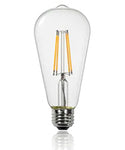
LEDs are well positioned to meet higher efficiency requirements because they can provide high light output with relatively low electrical power. They also offer long life, flexible color characteristics, dimming, smart controls, and many fixture designs.
What Should Shoppers Look for on LED Packaging?
Modern light-bulb packaging is increasingly designed to help consumers compare the things that actually matter to lighting performance.
- Lumens: how much visible light is produced.
- Watts: electrical power consumed.
- Color temperature: the appearance of the light, expressed in Kelvin.
- CRI: an indicator of color-rendering quality.
- Life rating: the expected operating life under specified conditions.
- Dimmability: whether the product is designed to work with compatible dimmers.
- Location rating: whether the product is suitable for enclosed, damp, or wet applications.
What About Specialty and Decorative Bulbs?
Some specialty lighting products fall outside the general-service definitions or have different regulatory treatment. Appliance lamps, certain decorative forms, colored lamps, and other specialty categories can have different requirements or exemptions.
This is one reason a retailer should never make broad claims about all incandescent or all LED products without checking the applicable product definition.

What Do These Rules Mean for Retailers?
Retailers must understand which products they can sell, how applicable standards affect inventory, and what information customers need when familiar bulb types become less common. For a lighting retailer, this creates an opportunity to explain the transition rather than simply removing old products from shelves.
Customers may ask, “What replaces the bulb I used to buy?” The most useful response is not simply “Buy LED.” It is “Here is the LED replacement that provides a similar light output, color, base, shape, and compatibility.”
What About State and Local Rules?
Federal standards are only part of the regulatory environment. Certain state and local requirements, utility programs, building codes, product labeling rules, or recycling programs can also influence lighting decisions.
For installation and code questions, local requirements and a qualified professional should take precedence over a general online article.
Should You Still Buy LED Lighting?
For most household general-lighting applications, LED is the practical direction of the market regardless of regulation. LEDs already offer efficient operation, long life, flexible light quality, and a wide range of fixture choices.
The important thing is to choose the right LED rather than treating all LED products as interchangeable.
How the Lighting Transition Changes the Way You Shop
Older lighting was often purchased based on familiar wattage labels. Modern LED shopping requires a slightly different vocabulary: lumens, Kelvin, CRI, dimming, base type, beam angle, and fixture compatibility.
Once those terms become familiar, the shopping process is actually more precise because you can describe what you want rather than relying on a single wattage number.
Staying Current
Regulations are a living subject. A responsible lighting guide should show a last updated date and link directly to current DOE information. This article should be reviewed periodically so that old dates, proposed rules, delays, clarifications, or enforcement policies are not presented as current requirements.
What You Should Actually Do as a Shopper
Most consumers do not need to memorize federal lighting regulations. The practical response is to buy current, compliant lighting products from established sources and choose the right replacement by lumen output, color temperature, base, shape, dimming, and fixture compatibility.
If an Old Bulb Is No Longer Available
Do not simply search for the old wattage. Identify the approximate lumen output, base, shape, and color appearance, then look for an LED replacement that provides the same job.
If You Are Unsure Whether a Product Is Covered
Do not rely on a generic statement about “banned bulbs.” Check the product category and current DOE guidance. Regulatory definitions can differ from everyday descriptions.
If You Are a Retailer
Maintain current product and compliance information, review inventory against applicable standards, and update customer-facing guidance when rules change.
How to Keep This Information Trustworthy
Regulatory content should always show a last-reviewed date and link to current Department of Energy sources. If a rule is proposed, delayed, amended, or replaced, update the page rather than leaving an old date and an outdated summary in place.
Explore Topics

Table of Contents
LED - The new LED lighting laws in the USAU.S. Light Bulb Laws and LED Lighting Regulations: What Consumers Need to KnowWhy Are Lighting Efficiency Standards Changing?What Are General Service Lamps?What Happened With the 2023 Incandescent-Bulb Rules?What Happens in 2028?Does This Mean Consumers Have to Throw Away Old Bulbs?Why Are LEDs So Important to the Transition?What Should Shoppers Look for on LED Packaging?What About Specialty and Decorative Bulbs?What Do These Rules Mean for Retailers?What About State and Local Rules?Should You Still Buy LED Lighting?How the Lighting Transition Changes the Way You ShopStaying CurrentWhat You Should Actually Do as a ShopperHow to Keep This Information TrustworthyCommentsShopping Ideas


Trending




Comments