


 Lamps
Lamps


 Sale
Sale
 Help
Help

LED - Frequently asked LED lighting questions
Search
Frequently Asked Questions About LED Lighting and LED Bulbs
LED lighting is now common in homes, businesses, outdoor areas, and modern light fixtures, but the technology can still raise practical questions. This guide answers some of the most common LED lighting questions in plain language, with an emphasis on the questions that matter when you are choosing, installing, or troubleshooting LED products.

Do LEDs Contain Mercury?
LEDs do not use mercury as part of the fluorescent lighting process used in CFLs. That is one important difference between LED and fluorescent technology. LED products are still electronic products, however, so local disposal and recycling guidance should be followed where programs are available.
Can LEDs Overheat?
Yes. LEDs are more efficient than incandescent bulbs, but they still generate heat and depend on thermal management. Excessive temperature can reduce the life of the LED, driver, or other electronic components.
Check whether the product is rated for an enclosed fixture and use the bulb or fixture according to the manufacturer's instructions.
Are LEDs Really Cost-Effective?
They often are, especially for frequently used lighting. LEDs typically cost more upfront, but they can use much less electricity and last much longer than incandescent bulbs. The actual payback depends on the purchase price, electricity rate, hours of use, and replacement frequency.
[led-chandeliers

Can LED Bulbs Be Used With Dimmers?
Many LED bulbs are dimmable, but not all are. The LED and dimmer must be compatible. An incompatible combination may flicker, buzz, have a poor dimming range, or fail to operate properly.
Why Does My LED Flicker?
Flickering can come from an incompatible dimmer, loose connection, incompatible driver, power-quality issue, or product defect. If a bulb flickers only when dimmed, investigate the dimmer and compatibility information first. If multiple bulbs flicker in the same fixture, the fixture or electrical system may be involved.
Why Does My LED Buzz?
Buzzing can be caused by a driver, dimmer, transformer, or other electronic component. If the noise changes with dimming, compatibility is particularly worth checking.

Are LED Bulbs Safe for Enclosed Fixtures?
Only products rated for enclosed fixtures should be used in an application where heat is trapped around the bulb. Always check the product specifications instead of assuming that every LED bulb is suitable for every enclosure.
Are LED Lights Safe for the Eyes?
Normal household LED lighting is designed for everyday illumination, but light comfort depends on brightness, glare, viewing angle, color temperature, and the fixture's optical design. A very bright exposed LED can feel harsh even if the product is functioning normally.
For comfortable spaces, consider diffusers, indirect lighting, appropriate brightness, and a color temperature that suits the room.
What Is the Best LED Color Temperature?
There is no single best color temperature. Warm 2700K lighting often works well in bedrooms and living spaces. Around 3000K can be a versatile residential choice. Higher values can be useful for kitchens, offices, workshops, and other task-focused environments. The right choice depends on the room and the atmosphere you want.
What Is CRI and Why Does It Matter?
CRI describes how accurately a light source renders colors. Higher CRI can be especially useful when color accuracy matters, such as in kitchens, dressing areas, art spaces, photography, or retail. For general use, 80+ CRI is common; higher CRI products can be desirable for more demanding applications.

Can LED Lights Be Used in Ceiling Fans?
Yes, but the bulb or fixture should be suitable for ceiling-fan use. Vibration, size, heat, and fixture construction can affect compatibility. Follow the fan manufacturer's specifications and choose an LED rated for the application when required.
Can LEDs Be Used in Cold Temperatures?
Many LED products perform well in cold conditions, which is one reason they are widely used outdoors. The exact operating range depends on the product, driver, battery system if present, and application. Check the manufacturer's specifications for extreme environments.
Do LEDs Work in All Fixtures?
No. Most standard fixtures can be retrofitted with appropriate LED bulbs, but base type, shape, size, enclosure, dimmer, voltage, fixture rating, and environment all matter.

What Are the Different LED Bulb Shapes?
Common LED shapes include A-shape bulbs, globes, candelabra bulbs, BR and PAR directional lamps, reflector bulbs, tube lamps, and specialty forms. Choose the shape based on both physical fit and the desired light distribution.
What Is the Difference Between an LED Bulb and an Integrated LED Fixture?
An LED bulb is a replaceable light source that fits a socket. An integrated LED fixture has the LED source and electronics built into the fixture. Integrated fixtures can be thinner and more customized, while replaceable bulbs make future changes and servicing easier.
Can LEDs Be Smart?
Yes. Smart LED bulbs and fixtures can offer app control, voice control, scheduling, automation, dimming, and sometimes adjustable color temperature or RGB color effects.
Do LEDs Attract Bugs?
Outdoor light can affect insect behavior, but the relationship depends on spectrum, intensity, environment, and species. Warmer-looking outdoor LEDs are often chosen when reducing the visual attraction of insects is a priority, but no general LED product should be treated as completely bug-proof.

How Should Old LED Bulbs Be Disposed Of?
Disposal rules vary. Check your local waste-management program or retailer/manufacturer recycling program for the correct method. Do not assume that all LED products belong in the same recycling stream as household packaging.
Are LEDs Better Than Incandescent Bulbs?
For most general lighting applications, LEDs offer major advantages in energy use and rated life, along with broader options for dimming, color, smart control, and fixture design. Incandescent lighting still has characteristics that some people prefer, especially its familiar warm appearance and traditional dimming behavior.
What Is the Best LED for a Bedroom?
For many bedrooms, a warm-looking, dimmable LED with comfortable brightness and good color quality is a sensible starting point. The exact choice depends on whether the light is for reading, general lighting, bedside use, or decoration.
What Is the Best LED for a Kitchen?
Kitchens often benefit from bright, well-distributed light, and many homeowners prefer a somewhat cleaner color appearance than in bedrooms. Under-cabinet LEDs are especially useful for reducing shadows on countertops, while pendants and ceiling fixtures provide broader illumination.
What Is the Best LED for Reading?
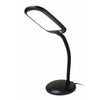
Reading usually benefits from useful illumination directed toward the reading surface, controlled glare, and a comfortable color temperature. A well-designed LED reading lamp can be more effective than simply installing a brighter general ceiling bulb.
What Should I Do If I Am Still Unsure?
Start with the actual problem rather than the product category. If you are replacing a bulb, identify the existing bulb and fixture. If you need more light, identify where the room is underlit. If you are remodeling, define the tasks the room needs to support. Then choose the LED characteristics that solve that problem.
What Should I Check Before Buying an LED?
- Base type and physical dimensions.
- Lumen output.
- Color temperature.
- CRI if color accuracy matters.
- Dimming and control compatibility.
- Enclosed, damp, wet, or outdoor rating.
- Integrated versus replaceable light source.
What Should I Do If an LED Flickers?
If it is on a dimmer, check compatibility first. If it is not, reseat the bulb and test another known-good product. If the issue remains in the same fixture, investigate the fixture, driver, wiring, or electrical supply rather than repeatedly replacing bulbs.
What Should I Do If an LED Is Too Bright?
First try dimming if the product and control system support it. If dimming is not available, replace it with a lower-lumen product rather than simply accepting glare. Also check whether the fixture is exposing the LED directly toward the viewer.
What Should I Do If an LED Looks Too Cool?
Choose a lower color temperature. A product around 2700K will generally look warmer than one around 4000K or 5000K. If several visible fixtures are involved, match them so the change does not create inconsistent color between adjacent lights.
What Should I Do If My Room Is Still Dark After Installing a Brighter LED?
Stop increasing brightness and examine distribution. Add task lighting where work happens, ambient light where the room feels flat, or accent lighting where important surfaces disappear. The problem may be light placement rather than lumen count.
What Should I Do If My LED Fails Early?
Check enclosure, heat, dimmer compatibility, fixture condition, and product environment. If another LED fails in the same location, have the fixture or electrical system evaluated instead of treating each failure as a separate bulb problem.
Explore Topics



Comments