


 Lamps


 Sale
 Help

Lighting Tips Lamp Placement
Search
The right lamp can make a room more comfortable, functional and inviting. But choosing a beautiful lamp is only half the equation. Lamp placement determines how well it illuminates a room, whether it creates glare, and how effectively it supports activities such as reading, working or relaxing.
Good lamp placement starts with the people using the room. Think about where you sit, what you do there, where you need light, and how you want the space to feel. With a few practical adjustments, table lamps, floor lamps, accent lamps and desk lamps can transform the way a room looks and works.
Quick Rules for Better Lamp Placement
Before moving furniture or buying a new lamp, start with these basic principles:
- Place task lamps near the activity. Reading lamps belong beside the reader, and desk lamps should illuminate the work surface.
- Check lamp height while seated. The bottom of the shade should generally conceal the bulb from your normal seated position without obstructing your view.
- Keep bright bulbs out of your direct line of sight. Check the lamp from your usual chair, sofa or bed, not just while standing.
- Spread light around the room. Multiple lamps in different locations can create a more balanced effect than one bright lamp in a corner.
- Use corners to add depth. A floor lamp or accent lamp can brighten a dark corner and make the room feel more welcoming.
- Control shadows and reflections. Position task lights so your hands, furniture or computer screen do not interfere with the light you need.
- Keep lamps practical and safe. Make sure switches are accessible, bases are stable and cords do not cross walking routes.
The ideal position varies with the lamp, shade, furniture and activity, so treat these principles as starting points rather than rigid rules.
1. Understand the Three Functions of Lamp Lighting
Before deciding where a lamp should go, consider what you want the light to accomplish. The most effective rooms combine different types of lighting rather than relying on a single source.
Ambient Lighting: Creating a Comfortable Glow
Ambient lighting provides a comfortable level of general illumination. Table lamps with translucent shades, upward-facing floor lamps and lamps that softly illuminate nearby walls can all contribute to the overall brightness of a room.
Use ambient lighting to soften a room in the evening, supplement overhead fixtures or brighten areas that would otherwise feel dark. Distributing light around the room usually creates a more balanced atmosphere than concentrating it in one location.
Task Lighting: Putting Light Where You Need It
Task lighting helps you see clearly when reading, writing, working, sewing or performing other close-up activities. The light should reach the working area without shining directly into your eyes or creating distracting shadows.
A desk lamp beside a computer, a reading lamp beside an armchair and a table lamp next to a bed are all examples of task lighting. The best position depends on the activity and the user's normal working or sitting posture.
Accent Lighting: Adding Depth and Interest
Accent lighting draws attention to selected features, such as artwork, plants, decorative objects, bookcases or architectural details. A small lamp on a console table or a floor lamp beside a dark corner can add visual interest without illuminating the entire room.
The goal is to create areas of light and shadow that make a room feel layered rather than uniformly bright. The lamp itself can also become a decorative feature.
Why Most Rooms Benefit from Layered Lighting
Combining ambient, task and accent lighting gives you greater flexibility. You might use a desk lamp while working, switch on a floor lamp when relaxing, or use several shaded table lamps when entertaining. Each source has a purpose, and you can adjust the atmosphere simply by changing which lamps are switched on.
2. Five Essential Rules for Positioning Any Lamp
Start with the Person, Not the Electrical Outlet
The most convenient outlet does not always determine the best lamp location. Start by identifying where people sit, read, work or gather, and then position the lighting to support those activities.
For example, a table lamp at the far end of a long sofa may look balanced, but it might be too far from the person reading in the middle. A second lamp or an adjustable floor lamp could provide a more useful solution.
Get the Height Right
The correct lamp height depends on the furniture beneath it, the shade design and the user's position. A table lamp that works well on a tall console may be too high on a low bedside table.
For a reading lamp beside a sofa or armchair, a useful starting point is to position the bottom of the shade at approximately seated eye level or slightly below, provided the bulb remains shielded from direct view. Sit in the actual seat and check the position rather than relying on the lamp's advertised height alone.
For desk lamps, the priority is different: the head should be adjustable so you can direct light onto the work surface without exposing the light source to your eyes.
Keep the Light Source Out of Direct View
A bright bulb can be uncomfortable when it sits directly in your line of sight, even if the rest of the room is relatively dim. This is particularly noticeable when sitting on a sofa, reclining in bed or looking across a room toward a floor lamp.
Check the lamp from the positions where you spend the most time. If the bulb is visible, consider adjusting the lamp's height, rotating the shade, changing the lamp's position or selecting a shade that better shields the light source.
Think About Shadows and Light Direction
A lamp can be bright enough but still illuminate an activity poorly if it is positioned at the wrong angle. A light behind you may cast your shadow over a book or craft project, while a desk lamp placed on the wrong side can create shadows from your writing hand.
Position task lighting so light reaches the working area from a useful angle. For general room lighting, consider how light reflects off walls, ceilings and furniture, as these surfaces influence how evenly a room appears illuminated.
Make the Lamp Practical to Live With
A lamp should improve everyday life, not create obstacles. Make sure the switch is easy to reach, the base is stable and the lamp does not occupy space needed for books, drinks or other everyday objects.
Keep cords away from walking routes, doorways and moving furniture. In homes with children or pets, pay particular attention to stability, cord access and the risk of a lamp being pulled over.
3. How to Position Different Types of Lamps
Table Lamps: Versatile Lighting for Seating and Side Tables
Table lamps work particularly well beside sofas, armchairs and beds because they bring light close to the person who needs it. They can also provide ambient lighting when placed on a console table, sideboard or occasional table.
For reading, position a table lamp on a side table next to the seat. The light should reach the book or other task without shining into the reader's eyes. Leave enough room on the table for practical items such as a drink, phone or book.
When choosing a lamp for a side table, consider the combined height of the table and lamp. A shade that is too high may expose the bulb to someone sitting nearby, while a shade that is too low may obstruct the view across the room.
Practical tip: Sit in the intended seat before deciding where the lamp should go. Check the shade height, switch accessibility and direction of the light from that exact position.
Floor Lamps: Lighting Corners, Seating Areas and Larger Spaces
Floor lamps provide flexible lighting without requiring a table. They are useful beside sofas, next to reading chairs, in dark corners or wherever a table lamp would take up valuable surface space.
- Reading floor lamps: Place one beside or slightly behind a reading chair, directing the light onto the book or task.
- Upward-facing floor lamps: Position one in a corner where it can illuminate the ceiling and nearby walls, creating a softer contribution to the room's ambient lighting.
- Arc floor lamps: Use these to bring light over a seating area when there is no suitable place for a lamp table.
- General-purpose floor lamps: Position these near seating or in darker areas where additional illumination would improve the balance of the room.
Many general-purpose floor lamps stand approximately 58–64 inches tall, although suitable heights vary by design and use. The important consideration is how the shade or light source relates to seated eye level and the area you want to illuminate.
Keep the base clear of walking routes, doors and recliners. Before settling on a position, check whether people can move comfortably around the lamp and whether its light reaches the intended area.
Accent and Decorative Lamps: Creating Mood and Visual Interest
Accent lamps are often smaller than standard table lamps and are useful for creating intimate pools of light. Try one on a console table, bedroom dresser, bookcase or occasional table in an otherwise dark area.
Placement changes the effect. A lamp near a wall can create a soft glow across the surface, while one beside a plant or decorative object can emphasize its shape and texture. A translucent shade typically allows light to diffuse through it, while a more opaque shade directs more of the light upward or downward.
Avoid placing accent lamps so close to one another that they compete for attention. Instead, distribute them around the room to create a deliberate visual rhythm. The aim is to add depth and warmth, not to illuminate every object equally.
Desk Lamps: Comfortable Light for Work and Close-Up Tasks
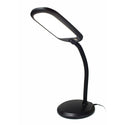
Desk lamp placement should prioritize clear visibility, reduced glare and a comfortable working posture. Position the lamp so its light reaches your paperwork, keyboard or craft area without shining directly into your eyes.
For a right-handed person, placing the lamp to the left can help reduce shadows cast by the writing hand. A left-handed person may benefit from placing it to the right. These are starting points rather than strict rules; the actual position depends on the desk layout and activity.
Use an adjustable lamp to change the head's angle and distance as needed. If you work with a computer, move the lamp to avoid distracting reflections on the screen or glossy work surfaces.
Also consider the surrounding room. A brightly illuminated desk in an otherwise dark space can create an uncomfortable contrast, especially during prolonged screen use. Additional ambient lighting may help create a more balanced visual environment.
4. Room-by-Room Lamp Placement Guide
Living Room: Create Comfortable Pools of Light
The living room often serves several purposes, from reading and watching television to conversation and entertaining. The best living room lamp placement reflects these different activities instead of relying on one light source to do everything.
- Beside a sofa: Place a table lamp on an end table near a frequently used seat. This provides convenient light for reading and adds a warm glow around the seating area.
- Next to an armchair: Use a floor lamp or table lamp to create a dedicated reading area. Position the light so it reaches the book without shining directly into the reader's eyes.
- In a dark corner: A floor lamp or accent lamp can brighten the corner, soften dark areas and make the room feel more visually complete.
- Beside a sectional: Consider more than one lamp if the sofa is long. A lamp at one end may not provide useful light for people sitting farther away.
- Near a bookcase or decorative feature: A small accent lamp can highlight a display and add depth to the room.
Think about the overall arrangement, too. Spreading lamps across different parts of the living room often creates a more balanced effect than clustering them on one side. Matching table lamps can provide symmetry, while a floor lamp on one side and a smaller accent lamp on the other can create a more relaxed, informal arrangement.
If the room includes a television, position lamps to avoid distracting reflections on the screen or bright light in viewers' eyes. For a relaxing evening atmosphere, use several moderate light sources rather than one excessively bright lamp.
Bedroom: Combine Bedside Convenience with Relaxing Light
Bedroom lamp placement should support bedtime routines while keeping the room comfortable and easy to navigate. Table lamps on nightstands are a popular choice because they provide convenient light close to the bed.
Choose a lamp height that works with the mattress and nightstand. When sitting up in bed, the shade should generally shield the bulb from direct view while allowing enough light to read comfortably. Make sure the switch can be reached without stretching or getting out of bed.
Other useful locations include a floor lamp beside a bedroom reading chair, a small accent lamp on a dresser or a lamp in a dark corner. A pair of bedside lamps can create a balanced appearance, but each should be positioned to suit the person using that side of the bed.
Choose warm-toned, dimmable lighting if you want a softer evening atmosphere. Keep bases and cords clear of the route between the bed and the doorway, and avoid placing lamps where they can be knocked over easily.
Dining Room: Create an Intimate, Welcoming Atmosphere
In many dining rooms, a ceiling fixture provides the main illumination, while table and floor lamps add warmth around the edges of the space.
Consider placing a shaded table lamp on a sideboard, buffet or nearby console table. The light can soften the room and make it feel more inviting for dinner parties or relaxed family meals.
Avoid placing lamps where they obstruct views across the dining table or interfere with serving food. If the dining room opens into a living area, position lamps so the two spaces feel connected while still having distinct lighting zones.
Home Office: Illuminate the Desk Without Screen Glare
In a home office, desk lamp placement should help you see your work clearly while minimizing glare and distracting reflections. Position an adjustable lamp to illuminate the working surface, taking account of your dominant hand and the placement of the computer monitor.
Move the lamp if its light reflects in the screen or creates bright patches on paperwork. Supplement it with ambient lighting when necessary, particularly if the rest of the room is much darker than the desk area.
The best position depends on the desk orientation, windows, monitor placement and the tasks you perform. Test the arrangement while actually working rather than judging it from across the room.
Reading Nook: Put the Light Within Easy Reach
A dedicated reading nook benefits from a lamp that places light close to the reader. Position a floor lamp beside or slightly behind the chair, or use a table lamp on a nearby side table.
Direct the light onto the book from a comfortable angle, checking that your head and hands do not cast distracting shadows. Keep the switch accessible and make sure the lamp doesn't force you to lean forward or twist into an uncomfortable posture.
A dedicated reading lamp is often more effective than relying on a lamp across the room because you can control both the light's direction and its proximity to the reading area.
Entryways and Hallways: Welcome People Without Creating Obstacles
A table lamp on an entry console can make a foyer feel warm and welcoming. A small accent lamp can also add interest to a wider hallway or an otherwise empty surface.
Choose a position that leaves room for everyday items such as keys and bags. Make sure the lamp and its cord do not narrow the passageway, block a door or become a tripping hazard. In narrow hallways, other types of lighting may be more practical than portable lamps.
Kitchen and Open-Plan Areas: Add Light Where It Helps
Portable lamps can work well in a breakfast nook, on a suitable sideboard or in the living area of an open-plan kitchen. They provide supplementary light and help distinguish different areas without visually separating the spaces.
Keep lamps away from splashing water, cooking heat and other unsuitable locations. Portable lamps should not replace appropriate task lighting over food-preparation surfaces. Instead, use them to add atmosphere to nearby seating and dining areas.
5. How Many Lamps Do You Need, and How Far Apart Should They Be?
There is no single correct distance between lamps. The right lamp spacing depends on the lamp's brightness, shade, height, direction of light, room dimensions and the surfaces around it.
Space Lamps According to the Light They Provide
Rather than measuring a fixed distance between lamps, look at how their light overlaps. Two lamps may work well relatively close together if they serve separate seats, while lamps placed farther apart may still leave a dark area between them.
Walk around the room at night and observe the lighting from different positions. Look for areas that are uncomfortably dark, bright sources that dominate the space and activities that lack sufficient illumination.
Eliminate Dark Gaps Without Lighting Every Corner
Not every dark corner needs a lamp. Some contrast adds atmosphere and helps important areas stand out. The goal is to prevent unwanted dark patches or sharp transitions that make a room feel unbalanced.
If a seating area feels disconnected from the rest of the room, a floor lamp or accent lamp may help. If two lamps create an excessively bright area together, consider moving one or reducing its brightness.
Arrange Lamps Around the Furniture
Use the furniture layout as a guide. Two matching table lamps can frame a sofa or sideboard, while a floor lamp and a smaller table lamp can provide an intentionally varied arrangement.
In a large or open-plan room, create separate lighting zones for reading, conversation and dining. Each area should have light suited to its function, while the overall arrangement still feels cohesive.
6. Avoid Glare and Create the Right Atmosphere
Check the Light from a Seated and Standing Position
A lamp that looks attractive while standing may be uncomfortable when you sit down. Before settling on its location, check the light from your usual chair, sofa, bed or desk.
If you can see a bright bulb directly, try adjusting the lamp's height or angle, rotating the shade, repositioning the lamp or selecting a more suitable shade design. The aim is to keep the light useful without placing a bright source directly in your line of sight.
Use the Shade to Control Light Direction
Lamp shades affect both appearance and function. Translucent shades allow light to diffuse through the material, while opaque shades generally direct more light through their openings.
A shaded table lamp may create a soft glow around a seating area, while a directional desk lamp concentrates light on a working surface. Consider the shade's effect when deciding how close a lamp should sit to a wall, chair or decorative object.
Adjust Brightness and Color Temperature
Lamp placement, bulb brightness and color temperature work together to shape the atmosphere. Warm-toned lighting is often preferred for relaxing living rooms and bedrooms, while a more neutral tone may suit detailed work or other tasks.
Dimmable lamps and compatible bulbs offer additional flexibility. You can use brighter light when reading or performing a task, then reduce the brightness when you want a softer atmosphere. Always check that the bulb, lamp and dimmer are compatible.
7. A Quick Lamp Placement Checklist
Before deciding that your lighting arrangement is finished, ask yourself these questions:
- Is the lamp close enough to the activity it supports?
- Is the shade at a comfortable height for the people using the space?
- Can I see the bare bulb from my usual seat?
- Does the lamp create distracting shadows or reflections?
- Can I reach the switch easily?
- Are the base and cord safely out of the way?
- Does the room have a comfortable balance of light and shadow?
- Can I adjust the lighting to suit different activities or moods?
If the answer to any of these questions is no, try repositioning the lamp before replacing it. A small change in height, direction or distance can make a surprisingly large difference.
Make Every Lamp Work Harder
The best lamp placement is about more than decorating a room. It is about putting light where people need it, reducing glare, making everyday activities easier and creating an atmosphere that feels right for the space.
Position table lamps close to seating, direct desk lamps onto the work surface, use floor lamps to brighten corners and choose accent lamps to add depth and interest. Then consider the room as a whole, paying attention to spacing, sightlines, furniture and the way light interacts with the surrounding surfaces.
You don't necessarily need more lamps to improve a room. Sometimes, moving an existing lamp to a better position is all it takes to make your space more comfortable, functional and inviting.
Explore Topics

Table of Contents
Lighting Tips Lamp PlacementQuick Rules for Better Lamp Placement1. Understand the Three Functions of Lamp Lighting2. Five Essential Rules for Positioning Any Lamp3. How to Position Different Types of Lamps4. Room-by-Room Lamp Placement Guide5. How Many Lamps Do You Need, and How Far Apart Should They Be?6. Avoid Glare and Create the Right Atmosphere7. A Quick Lamp Placement ChecklistMake Every Lamp Work HarderCommentsShopping Ideas




Trending









Comments