


 Lamps
Lamps


 Sale
Sale
 Help
Help
World's Best Lighting Glossary
Search
Learn about all the terms of lighting, light fixtures and lamps with this lighting glossary
Accent Lamps
Accent lamps provide mood lighting and serve as decorative elements, helping to create a cozy ambiance in any room. They are often used to highlight specific areas, artwork, or furniture, adding style and character to a space without being overly bright.
Accent Lighting
Accent lighting is used to highlight specific areas or objects in a room, such as artwork, plants, or architectural features. This type of lighting adds depth and visual interest, creating a layered effect in your space. When choosing accent lights, consider the placement and brightness to ensure they complement the overall lighting scheme without overwhelming the area.
Adjustable
An adjustable light, also known as an "adjustable accent light," allows you to direct light onto a specific object or area. This feature is common in many accent lights, making it versatile for showcasing artwork, plants, or architectural details.
Alabaster
Alabaster is a material used in lighting for lamp shades, available in two forms: alabaster stone and alabaster glass. Alabaster stone, similar to marble, is naturally quarried, carved, and more expensive. Alabaster glass mimics the stone’s look but is a more affordable option, offering a similar aesthetic appeal.
Ambient Lighting
Ambient lighting provides the general illumination needed for a room, allowing you to navigate comfortably without shadows. It sets the overall mood and atmosphere of a space. Common sources include ceiling fixtures, floor lamps, and wall sconces. Opt for soft, diffused light to create a warm and inviting environment.
Antique Finish
An antique finish is a surface treatment that simulates the look of aged wood or metal. Achieved by applying a dark pigment, it gives the item a vintage or weathered appearance, adding character to lighting fixtures and home decor.
Ballast
A ballast is an electrical device that regulates the current to fluorescent and HID lamps. It ensures the lamp starts correctly and maintains a consistent light output. Choosing the right ballast is crucial for energy efficiency and longevity. Look for electronic ballasts, which are more efficient than magnetic ones.
Banker's Lamp
The banker’s lamp is a classic desk lamp, traditionally known for its green glass shade. Modern versions feature shades in various colors, such as blue, white, and yellow, and sometimes showcase Tiffany-style glass. It’s a practical yet stylish choice for offices and study areas.
Baffle Reflector
A baffle reflector is a device designed to reduce glare by reflecting light downward and diffusing it upward. It’s commonly used in lampshades with wide tops to ensure the light is soft and pleasant without overwhelming the room.
Barn Light
A barn light fixture is a design similar to the lighting found in barns, as in on a farm. The light often is mounted to a wall and has an arcing arm which bends over and features a large pendant-like downward-facing light on the end. The light will feature a single bright light bulb. This trend and look has become incorporated into design styles of outdoor light fixtures.
Base
The base of a lamp is its foundational structure and can be made from various materials such as metal, brass, wood, porcelain, or crystal. A well-made lamp base should be stable to prevent tipping and add aesthetic appeal to the overall design.
Base Switch
A base switch is a handy feature found on the lamp's base, allowing easy on/off control. This adds both convenience and functionality to lamps placed in areas where reaching for a cord switch might be difficult.
Beam Angle
The beam angle refers to the width of the light emitted by a fixture. A narrow beam angle produces a focused light, ideal for highlighting specific features, while a wider beam angle provides broader illumination, suitable for general lighting. Understanding beam angles helps in selecting the right fixtures for your lighting needs.
Boudoir Lamp
A boudoir lamp is a small decorative lamp that’s ideal for the bedroom. It offers soft, intimate lighting, perfect for bedside tables or dressers, creating a serene and inviting atmosphere.
Brightness
Brightness is a measure of how much light a bulb emits, commonly expressed in lumens. The higher the lumens, the brighter the light. When selecting bulbs, consider the brightness needed for each room; for example, kitchens may require brighter lighting than bedrooms for a cozy atmosphere.
Buffet Candlestick
A buffet candlestick is a tall, slender accent lamp often placed on tables, mantels, or buffets. It adds a touch of elegance to dining or living areas, providing accent lighting without overwhelming the space.
Candelabrum Lamp
A candelabrum lamp features a base designed like a decorative candlestick, often with multiple arms or branches. It mimics the look of traditional candelabras, providing a sophisticated lighting option for dining or living rooms.
Ceiling Fan
A ceiling fan is a fixture that circulates air in a room while providing light. It helps maintain comfortable temperatures and can reduce energy costs by making you feel cooler in summer and warmer in winter. Choose a fan with reversible motors for year-round use.
Chandelier
A chandelier is a statement lighting fixture commonly hung in dining rooms, foyers, or entryways. It brings elegance and style to a space while providing ample light. For the best effect, chandeliers should hang 30 inches above tables or about 7 feet from the floor.
Cluster Pendant
Cluster pendants are a group of pendant lights hung together, creating a visually striking effect. They are perfect for dining areas or over kitchen islands, offering both style and functionality. Consider varying the heights for added visual interest and to maximize light distribution.
Correlated Color Temperature (CCT)
CCT indicates the color of light emitted by a bulb, measured in Kelvin (K). Lower Kelvin values (2700K-3000K) produce warm, yellowish light, while higher values (4000K-6500K) yield cooler, bluish light. Understanding CCT helps you choose the right lighting for different activities, like reading or relaxing.
Color Rendering Index (CRI)
The Color Rendering Index (CRI) measures a light source's ability to accurately display colors compared to natural sunlight. A CRI of 80 or higher is ideal for spaces like kitchens or bathrooms, especially for seniors, as it helps to clearly distinguish colors.
Compact Fluorescent (CFL)
Compact Fluorescent Lamps (CFLs) are energy-efficient light bulbs that use 20-40% less electricity than traditional incandescent bulbs. They fit into standard sockets and produce light close to natural daylight, making them ideal for task lighting.
Cove Lighting
Cove lighting involves hidden light sources placed in recesses or ledges, casting a soft glow upward onto the ceiling or upper walls. It’s perfect for creating a warm, indirect light that enhances the room's ambiance without being overpowering.
Dark Sky Lighting
Dark sky lighting is a design approach that minimizes light pollution by using fixtures that direct light downward and reduce stray illumination. This helps protect wildlife, enhances stargazing, and improves nighttime aesthetics, allowing communities to enjoy a clearer view of the night sky.
Decorative Bulbs
Decorative bulbs come in various shapes and sizes, adding a stylish touch to light fixtures. Common shapes include teardrop, flame, and candelabra, making them a great choice for chandeliers, sconces, or other visible light fixtures.
Desk Lamps
Desk lamps are essential for work or study areas, providing focused lighting directly over a workspace. The ideal height for the light source is around 15 inches above the desk, ensuring clear, shadow-free illumination for tasks like reading or writing.
Dimmable
Dimmable lights allow you to adjust the brightness of your fixtures, giving you control over the mood and functionality of a room. This feature is particularly useful in spaces like living rooms and dining areas, where lighting needs may vary. Ensure that your bulbs and fixtures are compatible with dimmer switches for optimal performance.
Dimmer Switch
Dimmer switches allow you to adjust the brightness of a light fixture to suit different needs. Whether creating a cozy atmosphere or maximizing brightness for tasks, dimmer switches offer flexibility and energy efficiency.
Downlight
A downlight is a recessed or hidden light fixture that directs illumination downward. It’s often used in kitchens, hallways, and offices to create focused, task-oriented lighting without being visually intrusive.
Drum-style Shade
A drum-style shade is a cylindrical lampshade with equal diameters at the top and bottom. Its simple, modern design works well with various types of lighting fixtures, adding clean lines to your decor.
Empire-style Shade
The empire-style shade is narrow at the top and wider at the bottom, forming a classic triangular shape. It’s commonly used in traditional or vintage-style lamps, providing a timeless and elegant look.
Eyeball
An eyeball light is an adjustable recessed light that slightly protrudes below the ceiling. It allows for directional lighting, making it great for accenting artwork or highlighting specific areas within a room.
Farmhouse Lighting
Farmhouse is a casual style which reflects a farmhouse theme, which is generally more relaxed, slightly rustic, cottage-like, and homely. Farmhouse light fixtures will pick up on the design styles and common themes of a farm house and incorporate them into the design, producing a popular trend in home lighting.
Faux
Faux refers to materials or finishes that imitate the look of real materials, such as faux marble or faux wood. It’s commonly used in lighting fixtures to achieve a luxurious or vintage look without the high cost of authentic materials.
Finial
A lamp finial is a decorative ornament that secures a lampshade to the lamp’s harp. It adds a finishing touch to table or floor lamps, often available in a variety of designs, from simple to ornate, to complement any decor.
Fitter
A fitter, also called a "spider," is the framework within the top diameter of a lampshade where it connects to the lamp harp. It ensures that the shade fits securely onto the lamp, providing both function and stability.
Floodlight
A floodlight is a high-intensity light source that casts a wide beam, making it ideal for illuminating large areas like walls, landscapes, or signage. To reduce glare, floodlights often come with a louver or shield, enhancing visibility while minimizing light spill.
Floor Lamp
A floor lamp is a tall, freestanding light fixture often used for general or ambient lighting. Floor lamps, sometimes called "stick lamps," come in various designs, from minimalist modern to traditional styles, making them versatile for any room.
Fluorescent
Fluorescent bulbs are energy-efficient lighting solutions that use 20-40% less electricity than incandescent bulbs. They emit bright, even light, making them suitable for kitchens, offices, and other areas where clear, consistent lighting is important.
Flush Mount
Flush mount fixtures are ceiling lights that sit directly against the ceiling, making them a great choice for rooms with low ceilings. They provide even illumination and come in various styles to suit your decor. Opt for energy-efficient bulbs to maximize efficiency in these fixtures.
Fluting
Fluting refers to vertical grooves or ridges that are part of a design, often found on lamp bases or columns. This detail adds texture and visual interest to lighting fixtures, giving them a classic, architectural feel.
Footcandle
A footcandle is a unit of measurement that describes the amount of light reaching a surface from a one-candela light source positioned one foot away. It is commonly used to gauge how much light a specific area receives, with one footcandle being equal to one lumen per square foot.
Full-Spectrum Lighting
The light emitted from a light bulb can vary in the color of the light and the spectrum it outputs. Light which is very close to the spectrum of natural sunlight is often called "full spectrum", in that it fairly closely emulates natural daylight. A full spectrum light fixture or lamp can simulate this natural light, which is often quite white and helps to clarify colors and shapes, making things easier on the eyes.
Glare
Glare occurs when light shines directly into your eyes or is reflected in a way that causes discomfort or visual impairment. Proper lighting design can help minimize glare, protecting your eyes and improving the overall comfort of a space.
Halogen
Halogen bulbs are small, high-temperature light sources often used for task or accent lighting. They emit bright, crisp light and have a longer lifespan than traditional incandescent bulbs, making them a popular choice for focused lighting.
Hard-Back Shade
A hard-back shade is a lampshade made with a sturdy backing, often paper or vinyl, which helps it maintain its shape. These shades are durable and work well in both traditional and modern lighting fixtures.
Hardwire Lighting
Hardwire lighting fixtures are directly wired into a building's electrical system, providing a clean, permanent lighting solution. They are commonly used in overhead, bathroom, and wall lighting setups for a streamlined, clutter-free appearance.
Harp
A harp is a metal frame used to support a lampshade and attach it to the base of a lamp. Harps come in different sizes, typically 8 to 12 inches, and can be easily swapped out to fit various lampshades.
Hurricane Lamp
A hurricane lamp features a cylindrical glass shade that protects the light source from wind, originally designed for candles or kerosene lamps. Today, hurricane lamps are primarily electric and used for decorative, ambient lighting.
Incandescent
Incandescent bulbs are the standard screw-in type bulbs, emitting a warm, yellowish light. They range from 15 to 150 watts and are ideal for creating cozy, soft lighting in living rooms and bedrooms.
Island Light
A kitchen will often feature an "island", which is like a standalone table or set of cabinetry with a work surface or tabletop on top. The island can usually be walked around on all sides and may feature seating like a breakfast bar. An island light hangs over the island, usually a longer fixture with the lights spread out in a row rather than around a circle, to illuminate the full length of the island.
Landscape Lighting
Landscape lights are typically small lights mounted along the sides of pathways or among vegetation in a yard or garden. They are designed to light up walkways and to illuminate the landscaping at night. Often landscape lights are solar powered or are connected by wiring to the main building.
Lamp Shade
A lampshade is a cover for a light bulb that helps diffuse light and reduce glare. They come in various shapes, sizes, and materials, allowing you to customize the look of your lamp. Choosing the right lampshade can enhance your decor while ensuring optimal light distribution.
LED
LEDs (Light Emitting Diodes) are energy-efficient, long-lasting light sources that are fully dimmable and can change colors. They use significantly less energy than incandescent bulbs and are ideal for everything from desk lamps to outdoor lighting fixtures.
LRV (Light Reflective Value)
Light Reflective Value (LRV) measures how much light a surface reflects when illuminated. It’s often used in paint selection to determine the brightness level in a room, with higher LRV values reflecting more light, which is ideal for small or dark spaces.
Lumen
Lumen measures the total amount of visible light emitted by a bulb in all directions. The higher the lumens, the brighter the light. This unit is used to compare the brightness of different light sources, including incandescent, LED, and CFL bulbs.
Lux
Lux measures the amount of light spread over a specific area. One lumen per square meter equals one lux. This metric helps determine adequate lighting for tasks, but requires photometers for accurate measurement, which are typically used by lighting professionals.
Mica
Mica is a natural mineral often used in lamp shades for its translucent quality, providing a warm, glowing light. It can be left in its natural form or dyed in amber or other shades to enhance its decorative appeal.
Mini Lamp
A mini lamp is an accent light that stands under 15 inches tall. These compact lamps are perfect for adding a subtle touch of light to small spaces or as decorative pieces on shelves or side tables.
Mission
Mission lighting refers to the early 20th-century American design style that emerged from the Arts and Crafts movement. Known for its simplicity, rectilinear forms, and exposed construction techniques, mission lamps often feature wooden frames and geometric designs.
Outdoor Lighting
Outdoor lighting encompasses various fixtures designed to illuminate outdoor spaces, enhancing safety and aesthetics. Options include wall-mounted sconces, path lights, and landscape lighting. When selecting outdoor fixtures, consider durability and weather resistance to withstand the elements.
Pendant Lighting
Pendant lights are suspended fixtures that hang from the ceiling, offering targeted illumination. They are perfect for kitchen islands, dining tables, or entryways. When choosing pendant lighting, consider the height and spacing to ensure proper light distribution and to enhance your interior design.
Pharmacy Lamp
A pharmacy lamp is an adjustable reading light with a swiveling shade, typically made of metal or glass. These lamps are often used for reading or task lighting, offering adjustable height and direction for personalized lighting.
Pleat
A pleat is a vertical fold in fabric, commonly used in lampshades to add texture. Soft pleats are smooth and flowing, while knife pleats have sharp, defined edges, creating a more structured look.
Portable Lighting
Portable lighting refers to any fixture that can be easily moved and plugged into a wall outlet. This category includes table lamps, floor lamps, and other lights that offer flexibility in lighting design without the need for hardwiring.
Recessed Lighting
Recessed lighting, or can lighting, is installed into the ceiling, creating a clean and modern look. It provides unobtrusive illumination, ideal for living rooms, kitchens, and hallways. When planning recessed lighting, ensure proper spacing and bulb selection for effective light coverage.
Reflector Luminaire Manufacturer (RLM)
RLM lighting fixtures are designed to direct light downward, preventing light pollution. These fixtures are often specified in outdoor settings or to comply with dark sky regulations, ensuring focused light without unnecessary glare.
Smart Lighting
Smart lighting refers to fixtures and bulbs that can be controlled via smartphone apps or voice commands. This technology allows you to adjust brightness, color, and schedules for your lights. Smart lighting can enhance convenience, security, and energy efficiency in your home.
Socket
A socket is the electrical component that holds the light bulb in place and provides the connection to the lamp’s power source. Most sockets are equipped with standard fittings, but always check for the recommended bulb wattage to ensure safe operation.
Spill Light
Spill light refers to illumination that extends beyond the intended area, often resulting from improper shielding, fixture positioning, or aiming. This excess light can cause glare, light pollution, and energy waste. To minimize spill light, it's essential to use appropriate fixtures, ensure correct installation, and consider the surrounding environment.
Six-Way Floor Lamp
A six-way floor lamp features a central three-way bulb surrounded by three additional bulbs, offering six different lighting levels. This design allows for versatile lighting options, suitable for various tasks and moods, and can effectively illuminate large areas.
Soft Shade
A soft shade is crafted with a fabric inner lining and an outer material, designed to diffuse light gently. This construction creates an elegant appearance and provides a warm, inviting glow, enhancing the ambiance of a room.
Step Light
A step light is a lighting fixture specifically designed to illuminate stairs, enhancing both safety and aesthetics. Proper placement and selection of step lights can prevent accidents and add a visually appealing element to staircases.
Swag
In lighting, a swag refers to a decorative motif resembling a garland or festoon, often used to adorn light fixtures. This design element adds a touch of elegance and sophistication, enhancing the visual appeal of chandeliers, sconces, and other ornamental lights.
Swing-Arm Floor Lamp
A swing-arm floor lamp is equipped with a horizontal double-arm mechanism that allows the light source to be moved from side to side. This adjustability makes it ideal for reading or project lighting, offering flexibility in directing light as needed.
Table Lamp
Table lamps provide versatile lighting solutions for desks, side tables, or nightstands. They come in various styles, sizes, and brightness levels, allowing you to customize your lighting according to your needs. Consider the lamp's height and shade material to ensure effective light diffusion and aesthetics.
Task Lamp
A task lamp is designed to provide focused illumination for specific activities such as reading, sewing, or food preparation. It ensures that the work area is well-lit, reducing eye strain and enhancing productivity.
Task Lighting
Task lighting involves the installation of light fixtures to provide illumination for specific tasks, like under-cabinet lighting in kitchens for food preparation. This type of lighting enhances visibility and safety, ensuring that work areas are adequately lit.
Tiffany
The term "Tiffany" in lighting refers to lamps featuring glass shades made from a mosaic of glass panels, often associated with the Art Nouveau style. These lamps are renowned for their intricate designs and vibrant colors, adding a touch of elegance and history to interior decor.
Title 24
Title 24 refers to the California Energy Efficiency Standards for Buildings, established to reduce energy consumption. When building or remodeling in California, it's crucial to comply with Title 24 standards, which include requirements for energy-efficient lighting solutions.
Torchette
A torchette is an accent table lamp that directs light upward, typically used to highlight objects or areas above its placement. It's a versatile lighting solution that adds depth and focus to interior spaces.
Torchiere
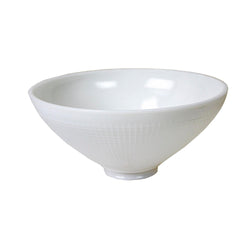
A torchiere is a standing floor lamp designed to direct light upward, providing general illumination and enhancing the ambiance of a room. Its design often includes a bowl-shaped shade that diffuses light softly.
Track Lighting
Track lighting consists of multiple light fixtures mounted on a single track, allowing you to direct light to different areas. This versatile lighting option is ideal for galleries, kitchens, and living spaces. Track lighting is easy to install and can be adjusted to accommodate changing decor or needs.
Tray-Table Floor Lamp
A tray-table floor lamp combines a floor lamp with an attached tray, serving as an occasional table. This design offers both lighting and functional space for placing items, ideal for optimizing room layouts.
Twin-Pull Desk Lamp
A twin-pull desk lamp features two pull chains or switches, allowing for easy control of multiple light sources. This design provides flexibility in adjusting light levels for various tasks, enhancing the functionality of workspace lighting.
Uplight
Uplight refers to the percentage of light directed from a fixture at or above 90 degrees, illuminating the ceiling or upper walls. This lighting technique can create a sense of spaciousness and add a soft glow to a room.
Vanity Light
A bath vanity light is a type of bathroom light fixture which attaches to a wall, usually above or to the side of a mirror. It provides a row of light bulbs which help to illuminate the face when looking in the mirror, and helpful to light up the bathroom for general use.
Wall Sconce
Wall sconces are light fixtures mounted on walls, used to provide ambient or accent lighting. They come in various styles and finishes, adding character to any room. Position them strategically to enhance artwork or architectural features while providing soft light.
Wall Grazing
Wall grazing is a lighting technique that involves illuminating a wall with light that skims its surface, highlighting textures and creating a dynamic visual effect. This method adds depth and interest to flat surfaces, enhancing the overall aesthetic of a space.
Wall Washing
Wall washing is a lighting technique aimed at producing a smooth, even level of illumination on a wall, minimizing shadows and highlighting imperfections. This approach is often used to create a uniform background or to emphasize the color and texture of wall surfaces.
Wattage
Wattage indicates the amount of electrical power consumed by a light bulb. Understanding wattage is essential for selecting the appropriate bulb for a fixture, ensuring optimal illumination and energy efficiency. It's also important to consider the maximum wattage a fixture can handle to prevent overheating.
Weather Resistant
In lighting, a weather resistant light refers to an outdoor light fixture or lamp designed to resist rain, wind, snow etc. This usually means the finish applied to the surface is especially tough and resistant to wear and tear, to the natural elements, and also to salty sea air which can be corrosive. They should last longer and be less prone to rust etc than regular light fixtures.
Work Light
A work light is a portable lighting solution designed for tasks requiring bright, focused illumination, such as construction or repairs. They often feature adjustable stands and high lumens for optimal visibility. Choose LED work lights for energy efficiency and durability.
Yard Lights
Yard lights are outdoor fixtures designed to illuminate gardens, pathways, or patios. They enhance safety and aesthetics while extending the usability of outdoor spaces after dark. Consider solar-powered options for energy savings and ease of installation.
Explore Topics

Table of Contents
World's Best Lighting GlossaryLearn about all the terms of lighting, light fixtures and lamps with this lighting glossaryCommentsShopping Ideas



Trending







Comments